
Icynene Attic Air Sealing: The San Jose Owner’s Guide
If your Icynene attic air sealing has failed or degraded, we stock the compatible sealing materials and can typically complete the replacement in one visit. Most Icynene air sealing repairs in San Jose run $850 to $1,900 installed, depending on how much of the existing seal has pulled away and whether we need to remove failed material first. You’ll usually notice the problem as a draft near the attic hatch, a sudden spike in your PG&E bill, or dust collecting around ceiling fixtures that never used to collect dust. We carry Icynene-compatible open-cell and closed-cell foam sealants on the truck, so in most San Jose homes we can diagnose and reseal the same day.
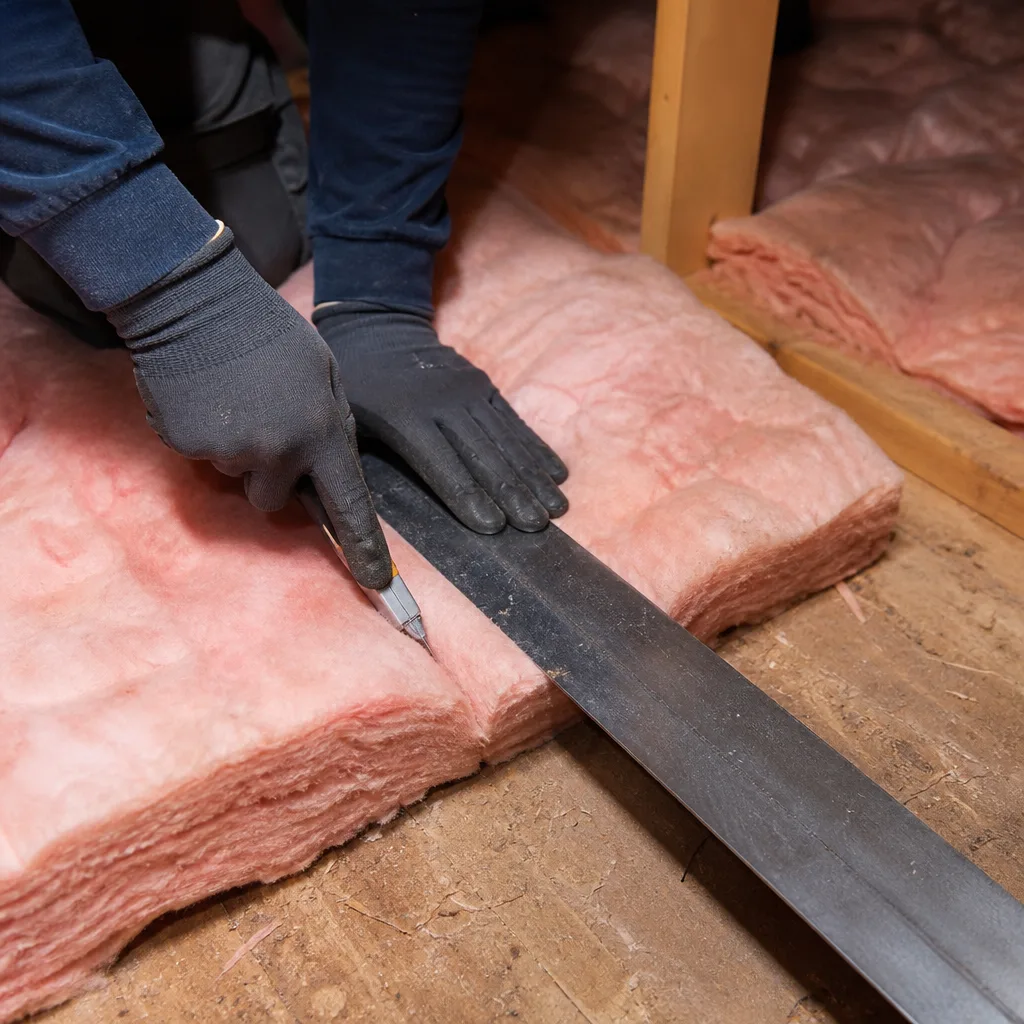
Here’s the thing about air sealing that most homeowners miss: the foam itself rarely “breaks.” What fails is the bond between the foam and the surface it was sprayed onto, especially in San Jose’s dry summers when attic temperatures push past 140°F and then drop hard overnight. That thermal cycling is what pulls sealant away from framing over time, and it’s the exact failure pattern we see most in older San Jose ranch homes and 1990s two-story builds alike.
Which Icynene Models This Applies To
Icynene’s attic air sealing falls into two product families: the open-cell Classic and ProSeal lines, and the closed-cell ProSeal LE and MD-C-200 lines used for air barriers in vented attics. The sealing itself isn’t a “part” you can order like a gasket; it’s a sprayed foam system that bonds to the attic floor, top plates, penetrations, and the hatch frame. The compatibility question that matters is this: are you working with open-cell or closed-cell Icynene, and was the original seal applied as a full barrier or just spot-sealed around penetrations?
One compatibility gotcha we run into regularly in San Jose: if your original seal was open-cell Icynene and you’ve since had a contractor add blow-in insulation on top, the seal can compress and fail under the added weight. Open-cell foam has an R-value of about 3.6 per inch, but it loses its air-sealing performance when crushed. Closed-cell Icynene holds its structure far better at 6.5 R-value per inch. Before we recommend anything, we check what’s actually under the insulation. That’s something a spec sheet alone won’t tell you in a 20-year-old San Jose attic.
If you still have the original Icynene warranty paperwork, that helps us identify which line was applied and when. If you don’t, no problem: we can identify the foam type on site. We’re an independent San Jose insulation contractor, not affiliated with Icynene, but we stock materials compatible with their open-cell and closed-cell systems, plus Reflectix for radiant barrier work where the attic design calls for it.
Signs Your Icynene Attic Air Sealing Is Failing
- A draft you can feel near the attic hatch or pull-down ladder. When the seal around the hatch frame pulls away, conditioned air from your living space gets pulled into the attic in winter. You’ll feel it as a whisper of cold air even when the hatch is closed.
- Dust accumulating around ceiling light fixtures and fan boxes. Air sealing is what stops attic dust from getting pulled down through electrical penetrations into your rooms. If you’re dusting the same ceiling corner every two weeks, the seal above it has likely opened up.
- A PG&E bill that climbs even though your usage patterns haven’t changed. Failed attic air sealing can account for 15 to 25 percent of a San Jose home’s heat loss in winter. You won’t see it on the bill as a separate line item, but you’ll see the total creep up month over month.
- You can see daylight around ceiling penetrations when you’re in the attic. This one’s simpler than people expect: if you can see light coming up around the vent pipe or electrical chase, air is moving through that gap. The seal is gone or was never applied there in the first place.
- The existing foam is crumbling or flaking when you touch it. Foam that was exposed to years of San Jose summer heat without a protective covering can get brittle. When it starts to powder, it’s no longer sealing anything.
Replacement Cost & What’s Included
In San Jose, Icynene attic air sealing replacement typically lands between $850 and $1,900 for an average 1,500 to 2,000 square foot attic. The spread comes down to three things: how much failed material needs removal before we can reseal, whether the original application was open-cell (harder to remove cleanly) or closed-cell, and how many penetrations actually need work, from plumbing vents to electrical chases to the hatch frame itself.
Here’s what our quote includes, every single time: a written price before we start, a same-day diagnosis and reseal in most cases, removal of the failed sealant, application of Icynene-compatible foam matched to the original line, and a written guarantee covering the work for 365 days. If the seal fails within that year, we come back and fix it free. No second invoice, no argument. The free second visit is part of our Done Right Promise and it’s in writing on every job.
We also carry Reflectix as a complement where a radiant barrier makes sense alongside air sealing in those brutal south-facing San Jose attics. That’s a conversation we’ll have on site only if the attic actually needs it, not because it’s on the truck.
DIY or Call Us?
You can safely check for obvious gaps around the attic hatch, a visible gap where the foam has pulled away from a plumbing vent, or crumbling foam you can see without moving insulation around. Those observations help us quote accurately over the phone. What you shouldn’t do is start pulling up batt insulation or sticking your hand into old spray foam you can’t identify. Older spray foams can contain materials you don’t want on your skin or in your lungs without a proper respirator, and disturbing degraded foam in a tight attic space isn’t worth the risk.
There’s a practical reason to call us even if the check seems simple: air sealing only works as a system. Sealing one penetration while missing the hatch frame or the top plates is like plugging one hole in a colander. We’re already set up for the full job with the right Icynene-compatible foam, proper ventilation gear, and the experience to know where San Jose attics lose air. Call (669) 333-7274 and we’ll tell you honestly whether this is a job you need us for or something we can walk you through over the phone.
FAQs
Properly applied Icynene air sealing should hold for 20 to 30 years in San Jose’s climate, but the failure point is almost always the bond, not the foam itself. When attic temperatures swing from 140°F daytime highs to 40°F overnight lows during the shoulder seasons, thermal expansion and contraction slowly works the seal loose from wood framing. If your seal failed in under 10 years, the original application was likely too thin or the surface wasn’t prepped properly. Call (669) 333-7274 and we’ll tell you what we’re seeing in your attic.
Yes, isolated failures can be spot-repaired without tearing out the entire seal. If the foam has pulled away in six places around plumbing and electrical penetrations but the hatch frame and top plates are still bonded, we can grind out the failed sections and reapply compatible Icynene foam in those spots only. The repair typically runs $350 to $700 for spot work in a San Jose attic. The honest variables are access to the failed areas and whether the original foam was open-cell or closed-cell.
Most Icynene attic air sealing replacements in San Jose take 3 to 5 hours from start to finish, including removal of failed material and cleanup. If you have a larger attic with extensive sealing failure, we may quote a two-visit job so the foam has full cure time before we confirm the seal is holding with a thermal check. You’re not paying for that cure time; it’s built into the schedule.
Yes, our San Jose trucks carry Icynene-compatible open-cell and closed-cell foam systems, plus Reflectix for radiant barrier applications when the attic calls for it. If we encounter something unusual, like a commercial-grade Icynene formulation the original contractor used on a very large attic, we’ll order it and return within two to three business days. Materials are matched to the job, not to whatever happens to be sitting in the truck.
Written by Chase Whitaker, Owner, Laurel Attic Insulation San Jose at Laurel Attic Insulation San Jose, serving San Jose and nearby areas.