
CertainTeed Attic Air Sealing: The San Jose Owner’s Guide
If your CertainTeed attic air sealing has failed, we stock the sealing materials and compatible components to fix it, and most San Jose jobs run between $450 and $1,400 installed depending on attic size and how much of the existing sealing needs to be redone. We can typically get a technician out same-day or next-day for air sealing repairs. Most homeowners figure out the seal has failed because their upstairs rooms feel warmer in July than they did last summer, or the PG&E bill creeps up month after month with no other explanation. The air leak is rarely visible. It’s the temperature drifting in your hallway and the dust gathering around ceiling light fixtures that tells you something opened up.
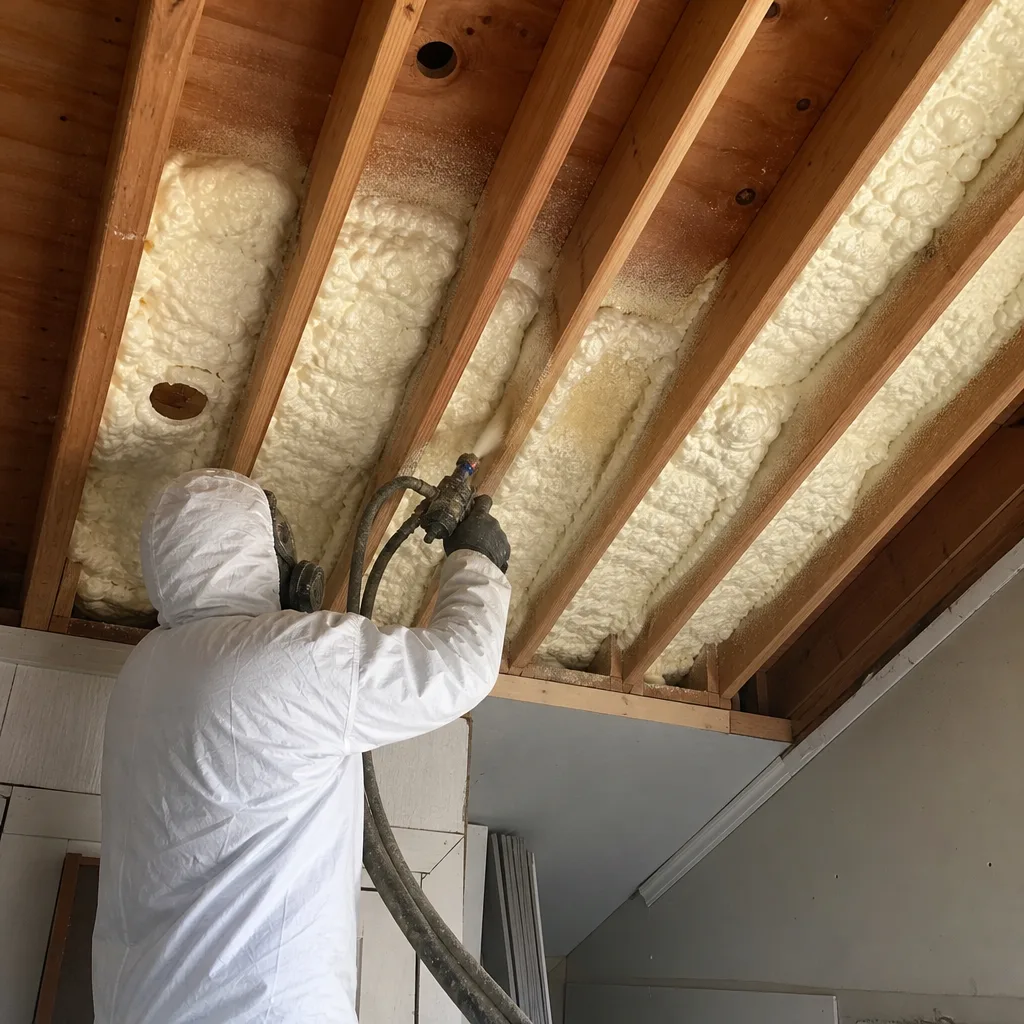
Which CertainTeed Models This Applies To
CertainTeed doesn’t sell air sealing as a standalone boxed product the way they sell batts or rolls. Their air sealing shows up as part of a system, usually their InsulSafe blow-in fiberglass, their DryRight fiberglass batts, or their MemBrain smart vapor retarder when paired with a sealed attic floor. In San Jose homes, we see the MemBrain detail around recessed lights and bathroom fan housings most often, because that’s where air movement concentrates.
Here’s the compatibility detail that matters: CertainTeed’s MemBrain is a variable-permeance membrane. It opens up in summer humidity and closes down in winter dryness. That only works correctly if the edges are sealed to framing with acoustical sealant or approved tape. If someone used standard duct tape or generic painter’s caulk during the original install, the edge bond fails within a few years. That’s the number one thing we find in San Jose attics built or remodeled between roughly 2005 and 2018. When you’re identifying what you’ve got, look for a printed CertainTeed logo on the facing of the insulation or on the membrane itself. If you can’t find one, take photos of the material and the attic layout and we can identify it from the pictures.
On the OEM versus aftermarket question: for the actual sealing materials like caulk, foam, and membrane patches, there’s no meaningful “OEM” advantage because CertainTeed doesn’t manufacture sealants. They specify the assembly. What matters is that the product used matches the spec. We use commercial-grade acoustical sealant, low-expansion fire-rated foam around penetrations, and CertainTeed-approved tape products on membrane. Cheap substitutes fail in three to five years and you’re back in the same attic with the same problem.
Signs Your CertainTeed Attic Air Sealing Is Failing
- Hot upstairs rooms in summer. Air sealing keeps conditioned air from being pulled into the attic through the stack effect. When the seal fails, the air you paid to cool rises straight through the ceiling and out the roof vents, and July heat pushes down in exchange. San Jose’s summer heat waves make this obvious fast.
- Rooms that never hold temperature in winter. Same mechanism, reversed. Conditioned heat escapes through ceiling penetrations and framing gaps. Your furnace runs longer to hold 68 degrees, and the upstairs never quite feels warm even when the thermostat says it is.
- Dust streaks or gray staining around ceiling fixtures. Air moving through insulation fibers carries dust. When the air seal around a recessed light or a ceiling register fails, the moving air deposits fine particles around the opening. It looks like a faint gray halo, and it comes back after you wipe it.
- Bathroom fans that seem weaker than they used to. A bathroom exhaust fan that vents into an unsealed attic cavity fights against the house’s air pressure. You get moisture lingering, slower mirror clearing after showers, and in bad cases, damp insulation above the bathroom.
- Odd smells from the attic entering the living space. If the sealing has opened up near a penetration, attic air can move down into the house. You’ll notice a musty or dusty smell that’s strongest around ceiling lights, attic hatches, and bedrooms at the far end of the house.
Replacement Cost & What’s Included
Attic air sealing work in San Jose typically lands between $450 and $1,400, and the swing comes down to attic floor area, how much of the existing sealing is degraded, and whether insulation has to be moved to reach the problem areas. A small single-story attic with six to eight penetrations might be $450 to $700. A larger two-story house with can lights, wiring penetrations, plumbing stacks, and a failing membrane detail can run $900 to $1,400.
Every quote includes the materials, the labor to move and replace insulation where needed, the sealing itself, and our written 365-day guarantee. If the repair fails within a year, we come back and fix it at no charge, no argument. You get the price in writing before any work starts, and you’ll see before-and-after photos of what we sealed. No door-step surprises. That’s the Relay Visibility Guarantee on every single job we do in San Jose.
Is it cheaper to repair or replace? Air sealing is almost always a repair job, not a replacement job. You re-seal the failed sections and move on. Replacement becomes the conversation only when the insulation itself is water-damaged, pest-damaged, or so old it isn’t performing, and at that point we’d quote both scopes separately so you see exactly what each costs.
DIY or Call Us?
What you can safely check yourself: go into the attic on a cool morning, look for gaps around ceiling light housings, bath fan boxes, plumbing vents, and any holes where wires pass through the top plate of interior walls. A flashlight and a phone camera get you a good look without touching anything. If you see batting that’s been pushed out of place or gray dust trails around penetrations, that’s your clue.
What’s best left to us: moving fiberglass insulation, reaching into tight eaves, working around blown-in insulation, and air sealing around recessed cans that may be hot. Attics in San Jose hit 140 degrees in summer even in the morning, and the working conditions alone will take it out of you. The sealing itself isn’t dangerous like a garage door spring, but the environment is awkward, and a bad seal job just fails again in eighteen months. If you’d rather get it done once, call us at (669) 333-7274 and we’ll get it right, in writing, same week.
FAQs
A properly installed attic air seal lasts 15 to 20 years or longer in San Jose’s climate. The materials we use, acoustical sealant and fire-rated foam, don’t dry out and crack the way cheap caulks do. The failure we see most often comes from the original install, not age. Call (669) 333-7274 and we’ll tell you honestly whether yours needs resealing or if something else is going on.
Most failures can be repaired section by section. We remove or move the insulation over the failed area, strip the old sealant or failed tape, and redo the seal with commercial-grade materials. Full replacement only makes sense if the insulation itself is water-damaged, pest-infested, or compacted past usefulness. We’ll give you a straight answer with photos before quoting anything.
A typical San Jose attic air sealing repair takes four to six hours. Larger homes with more penetrations or insulation that needs to be moved and reinstalled can run a full day. We’ll give you the time window upfront, and you’ll get live tracking of when your technician arrives.
We keep the sealing materials stocked on our trucks: acoustical sealant, fire-rated foam, CertainTeed-approved tape, and membrane patch material. We also work with other brands regularly including Reflectix. You don’t order anything ahead. We bring what’s needed to the job and whatever isn’t on the truck we source same-day from our San Jose suppliers.
Written by Chase Whitaker, Owner, Laurel Attic Insulation San Jose, serving San Jose and nearby areas.