
GreenFiber Vapor Barrier Installation: The San Jose Owner’s Guide
GreenFiber vapor barrier installation in San Jose typically runs $400 – $1,100 installed, depending on attic square footage, existing insulation condition, and access. We stock GreenFiber-compatible vapor barrier materials on our trucks and can usually complete the install same-day or next-day. Most San Jose homeowners discover their vapor barrier has failed when they climb into the attic for something unrelated and find damp insulation, rusted fasteners, or a musty smell that wasn’t there last summer.
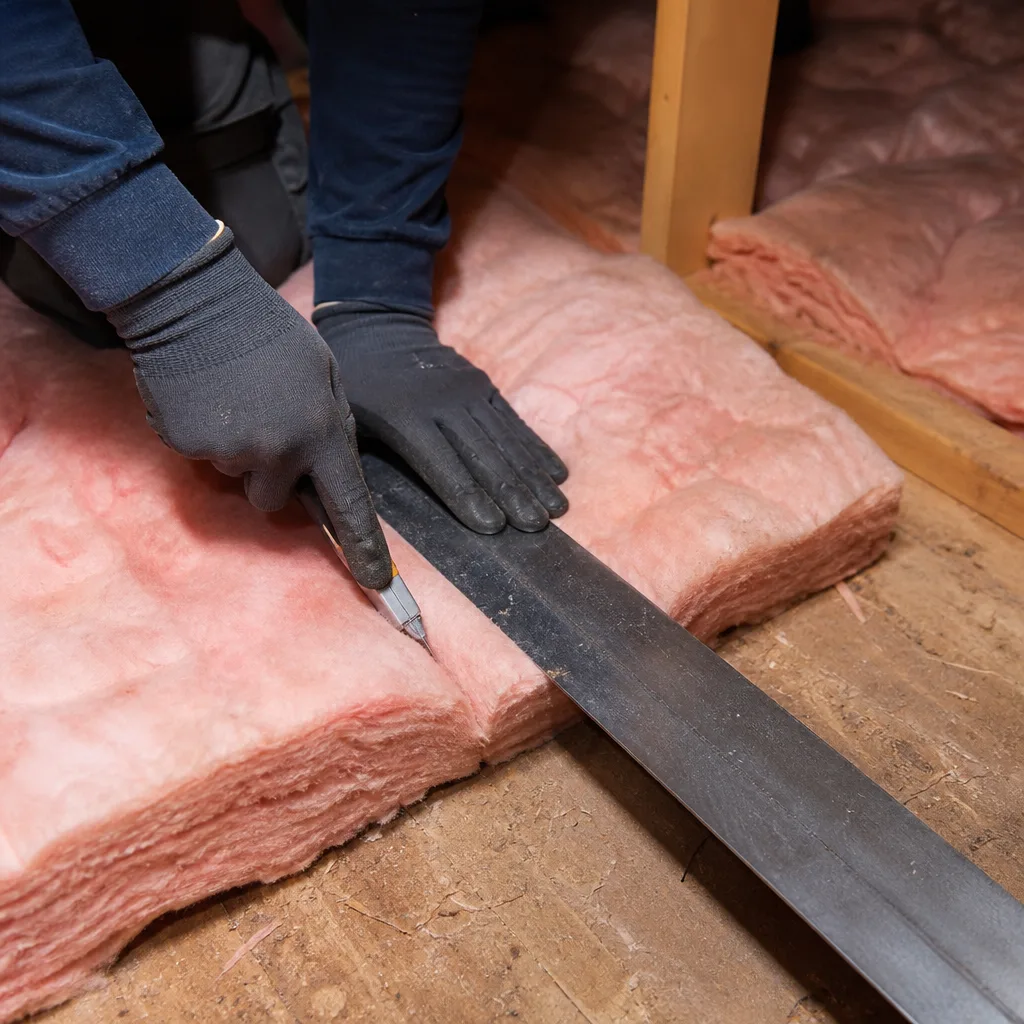
The symptom picture is usually the same: your attic insulation looks darker than it should, moisture beads on the underside of the roof deck on cold mornings, or you’ve noticed your heating bill creeping up while rooms feel drafty. A torn, sagging, or improperly lapped vapor barrier lets warm, moist air from your living space rise into the attic, where it condenses against cool surfaces. In San Jose’s winter wet season and summer fog patterns, that moisture cycle happens more often than homeowners expect.
Which GreenFiber Models This Applies To
GreenFiber produces blown-in cellulose insulation and a companion line of vapor barrier and air infiltration products designed to work with their Sanctuary and Insulation Plus series. The vapor barrier itself isn’t model-specific the way a circuit board is, but installation matters enormously: GreenFiber cellulose is dense-packed in many San Jose attics, and the vapor barrier must be lapped correctly at seams and sealed at penetrations to perform. Where we see compatibility gotchas is in retrofit situations, when a homeowner has a GreenFiber cellulose installation from years ago and the original vapor barrier was either never installed or installed as a thin 4-mil poly that has since degraded.
For GreenFiber specifically, we recommend a 6-mil reinforced poly or a smart vapor retarder depending on your attic’s ventilation profile. San Jose spans multiple climate zones, and a barrier that’s right for a Willow Glen ranch home may be wrong for a hillside house in the East Foothills that gets more wind-driven moisture. We identify the correct product by checking the existing insulation depth, roof deck condition, and whether the attic has ridge vents, gable vents, or a powered fan. The label on your existing barrier, if there is one, will list the mil thickness; if it’s under 6 mil or has visible tears at the seams, that’s your failure point.
On the OEM-versus-aftermarket question: GreenFiber’s own barrier products are quality materials, but they’re not always stocked locally. We install both OEM GreenFiber barrier when available and equivalent 6-mil reinforced poly from manufacturers we trust. For this part, the installation technique matters more than the brand name on the roll. The weak point in San Jose attics is almost never the barrier material itself; it’s the seams, the penetrations, and the perimeter edge where air leaks through.
Signs Your GreenFiber Vapor Barrier Installation Is Failing
- Damp or clumping insulation: When a vapor barrier tears or separates at a seam, moist air reaches the cellulose. GreenFiber cellulose absorbs moisture quickly, and you’ll see it settle, clump, or darken in patches. This reduces R-value and creates a mold risk.
- Condensation on roof deck or rafters: On cold San Jose mornings, you might see water beads or dark staining on the underside of the roof sheathing. That’s warm interior air hitting a cold surface, and it means your vapor barrier isn’t stopping air movement.
- Musty or earthy smell from the attic: Cellulose that has absorbed moisture develops a distinct smell before visible mold appears. If the attic smells like wet newspaper, the barrier has been compromised for a while.
- Higher heating or cooling bills without a clear cause: Wet insulation loses thermal performance fast. A vapor barrier failure in a San Jose home with PG&E rates means real money every month, and the problem compounds as more moisture enters the system.
- Visible tears, sagging, or gaps in the barrier itself: If you can see the barrier and it’s drooping between joists, pulled away from the perimeter, or torn around plumbing vents and can lights, it’s not doing its job. Gaps at penetrations are the most common failure point we find in San Jose attics.
Replacement Cost & What’s Included
In San Jose, GreenFiber-compatible vapor barrier replacement runs $400 – $1,100 installed for a typical single-family home attic between 800 and 1,800 square feet. The range is driven by attic height and access, how much old barrier material needs to be pulled out, and whether we’re working around stored items or existing insulation that has to be temporarily moved and re-spread. A straightforward barrier swap in a clean, open attic with standard height lands at the lower end; a cramped, low-slope attic with existing moisture damage to address lands at the higher end.
Every quote from Laurel Attic Insulation includes the full job: removal of the old barrier where needed, seam taping and penetration sealing, and re-spreading of existing GreenFiber insulation to proper depth. We write the price before work starts and it doesn’t change at the door. You get a written guarantee on the installation, and if it fails within 365 days, we come back and make it right at no charge.
DIY or Call Us?
You can absolutely inspect your own attic for visible barrier damage. A flashlight and a look around the perimeter edges, seams, and around pipe penetrations will tell you a lot. If you see tears or sagging, you’ve confirmed the problem. What you shouldn’t do is attempt a full vapor barrier installation yourself unless you’re comfortable working in a confined, hot, fiberglass-and-cellulose environment on your hands and knees for hours. The material itself won’t hurt you, but working above joists without falling through a ceiling takes practice, and sealing penetrations around electrical boxes and vents correctly is detail work that’s easy to get wrong in a way you won’t discover for months.
If you’d rather skip the attic gymnastics, call us at (669) 333-7274. We’ll come out, confirm what’s failed, give you a written price, and usually have the new barrier installed the same day.
FAQs
A properly installed 6-mil reinforced vapor barrier in a San Jose attic should last 15 to 20 years before it needs replacement. The barrier material itself degrades slowly, but seams and tape joints can fail sooner, and attics with poor ventilation or rodent activity will see failures earlier.
Small tears and separated seams can often be repaired with seam tape and a patch if the surrounding material is still intact. We’ll always tell you if repair makes sense over replacement; sometimes the barrier is too far gone and a full swap is the honest call. Call us at (669) 333-7274 and we’ll give you a straight answer after looking at it.
Most GreenFiber vapor barrier installations in San Jose take 2 to 4 hours for a standard single-family attic. Larger attics, extensive old material removal, or re-spreading heavy cellulose can push the job to a full day.
Yes. Our trucks carry GreenFiber-compatible 6-mil reinforced poly barrier, seam tape, and penetration sealing materials. We also stock Reflectix radiant barrier for San Jose homeowners who want to add a reflective layer above their insulation to reduce summer heat gain. Call (669) 333-7274 for a same-day check on availability.
Get a Free San Jose Estimate
If your GreenFiber vapor barrier is failing, don’t wait for the next damp San Jose winter to make it worse. Call Laurel Attic Insulation at (669) 333-7274 for a free estimate. We’ll send a background-checked, uniformed technician at a live, trackable arrival time, give you a written price before anything starts, and send before-and-after photos when the job is done. Chase Whitaker and our crew have handled attics throughout San Jose, including the older ranch homes in Willow Glen that need this work done right. Insulation isn’t exciting, but your next utility bill can be.
Written by Chase Whitaker, Owner, Laurel Attic Insulation San Jose at Laurel Attic Insulation San Jose, serving San Jose and nearby areas.